
NASA's nuclear propulsion systems are moving along
This could be the future of interplanetary travel!

SpaceNews reports that: “NASA is working on a streamlined management approach for a nuclear electric propulsion demonstration mission the agency wants to launch in two and a half years.”
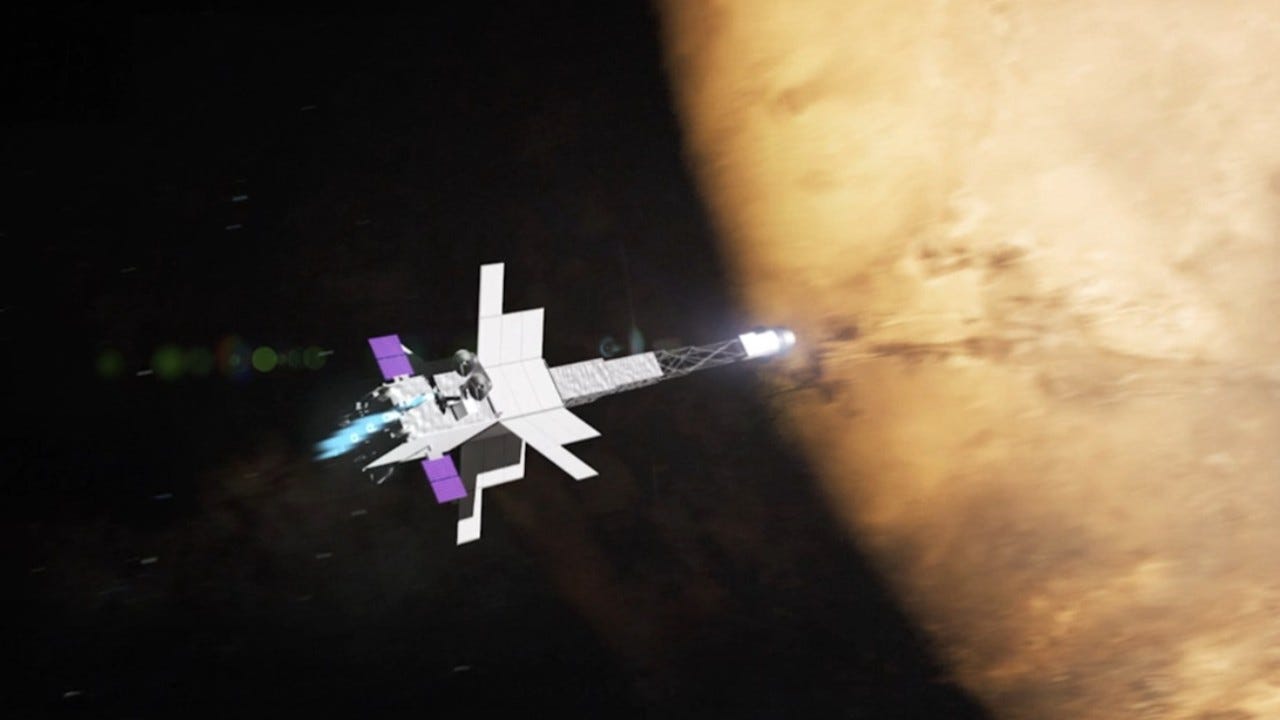
NASA Administrator Jared Isaacman called nuclear propulsion “the next ‘giant leap’ technology” just last month, and recently, Axios reports that “a new partnership between the University of Alabama in Huntsville and NASA’s Marshall Space Flight Center is advancing the propulsion technology.”
NASA’s hoping to prepare this technology for the Space Reactor 1 (SR-1) Freedom launch, which would be the “first flight demonstration of nuclear electric propulsion, with a nuclear reactor providing power to electric thrusters to send the spacecraft to Mars.”
Of course, nuclear propulsion is not a novel concept, but shifting priorities in the space agenda have made it so that the focus has been less on deep-space travel and more on local orbiting maneuvers, for which nuclear propulsion is not necessary for!
In this case, the nuclear propulsion does not reference radioisotope generators (RTGs), but rather fission reactors. RTGs produce power by using the heat released by the radioactive decay of plutonium-238, but often feature extremely limited quantities and therefore do not provide the propulsive thrust needed for a manned mission to Mars.
Importantly, though, “the agency has not disclosed a cost estimate for SR-1 Freedom, and the mission was not included in NASA’s fiscal year 2027 budget request, released a week and a half after Ignition”, which was the event that announced this new spacecraft!
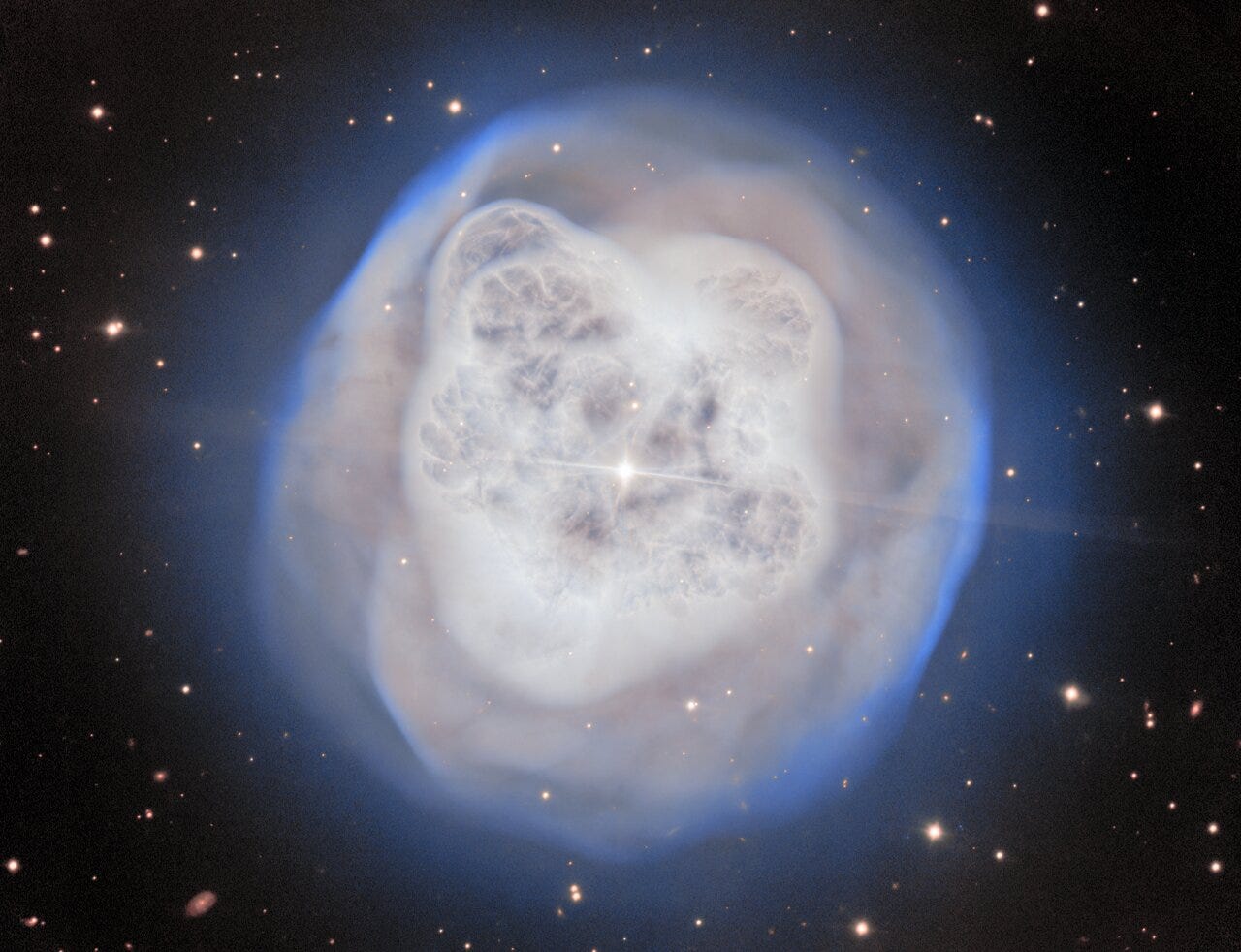
NASA Photo of the Day 🌔
Daily Opportunity Drop 🌌
Check out openings at NASA’s Jet Propulsion Laboratory: https://www.jpl.jobs/
Follow Horizon Highlights across platforms: 🤳
Check out Horizon Highlights on my:
Instagram: https://www.instagram.com/horizonhighlights.hq/?hl=en
X (Twitter): https://x.com/HridayUnadkat
Sorry, I have a short plug… 💡
I often use Perplexity AI’s Comet browser for my aerospace research and writing. It’s a great tool built on Google Chrome that not only allows me to learn information quickly but it also blocks ads while I do my research! If that sounds interesting to you, here’s my referral link here (https://pplx.ai/hriday-unadkat) to try it free for a year! (Note: this is an affiliate link for students, so I’ll receive a kickback if you sign up, but it’s a nice way to help support the newsletter!)
Oh, and if you or your organization are interested in supporting this newsletter and reaching an audience passionate about space, aerospace, and science, I’m currently looking for sponsors. Partnerships help keep this content free and high-quality, and I’d love to explore opportunities with you! Feel free to reach out via email at hriday.unadkat@gmail.com.